
-
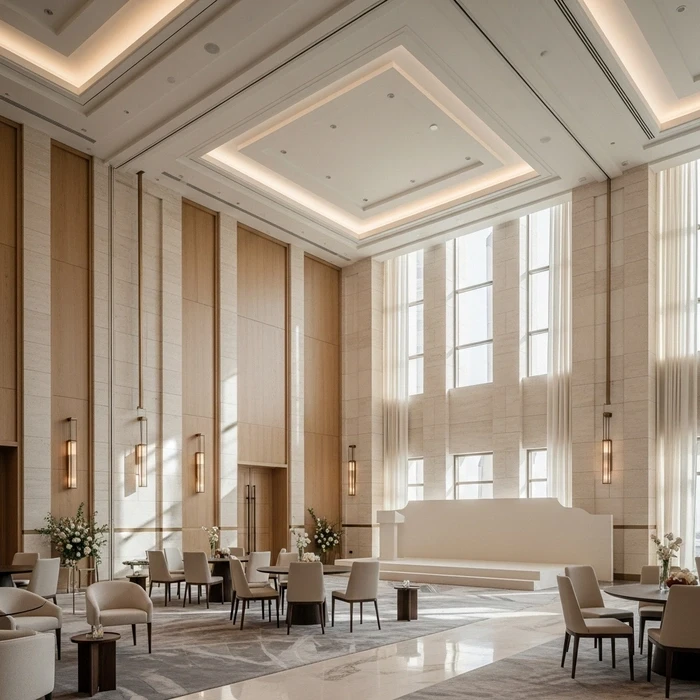
Most corporate event planners in Saudi Arabia default to hotel ballrooms. The result is often predictable staging, limited brand differentiation, and a guest experience that feels functional rather than memorable. Today, that is changing. As the Kingdom continues to invest in new cultural, tourism, and business infrastructure, the range of iconic venue types in Saudi Arabia for corporate events has expanded significantly.
For brands, this matters. The right venue does more than host attendees. It shapes perception, supports storytelling, and helps create stronger event ROI through better attendance, stronger recall, and more distinctive content opportunities. Whether you are planning a product launch, executive dinner, award ceremony, workshop, or networking event, venue type has become a strategic decision.
This guide explores the most relevant unique corporate event venues KSA offers today, with practical guidance on when to use each format and what to plan for in the Saudi market.
Why iconic venue choice matters for brand events in KSA
In a competitive business environment, venue selection influences much more than atmosphere. It affects:
Brand positioning
Guest perception
Content capture potential
Flow and guest arrival moments
Operational complexity
Budget efficiency
Privacy and stakeholder comfort
For corporate brand events, especially those tied to experiential marketing, venue can become part of the message itself. A heritage courtyard communicates cultural depth. A museum signals innovation and credibility. A rooftop suggests exclusivity. A desert destination creates full immersion.
If you are comparing broader options, this overview of iconic corporate event spaces in Saudi Arabia is also a useful starting point.
Heritage venues: strong storytelling value for executive and VIP formats
Among the most distinctive heritage venues Saudi Arabia corporate planners consider are restored historic districts, traditional courtyards, and architecturally preserved compounds. These spaces are especially relevant for brands that want to connect with local identity, craftsmanship, and prestige.
Best use cases for heritage venues
Heritage venues work particularly well for:
Executive dinner formats
Leadership gatherings
Premium client entertainment
Intimate award ceremony events
Media or stakeholder receptions
Brand storytelling evenings
These spaces naturally support curation and storytelling. Their textures, architecture, and historical context reduce the need for excessive décor, and they often create a more memorable setting than a standard ballroom.
Why brands choose them
A heritage venue can instantly elevate an event by making it feel rooted, thoughtful, and place-specific. For international brands operating in Saudi Arabia, this can be especially valuable when hosting partners, investors, or senior stakeholders.
Practical considerations
Heritage spaces often come with stricter operating conditions than hotels. Expect to review:
Permit requirements
Access windows for setup and breakdown
Photography restrictions
Branding limitations
Sound limits
Outdoor timing rules and curfew
Furniture and staging protection policies
Some sites may limit heavy set design or require approval for temporary installations. If your concept involves live entertainment, projection, or amplified sound, approvals should start early.








Museum venues: ideal for product launches and curated brand experiences
Museum venues Saudi Arabia offers are increasingly relevant for companies looking for clean, high-impact environments with cultural credibility. Museums and exhibition-style venues can create a strong connection between brand innovation and curated presentation.
Best use cases for museum venues
Museum settings are especially effective for:
Product launch events
Innovation showcases
Press previews
Thought leadership forums
Executive presentations
Private networking receptions
The advantage is visual discipline. Museums tend to offer strong architecture, intentional lighting, and layouts that support flow from registration to reveal moment.
Why brands choose them
For companies in tech, design, automotive, finance, healthcare, or luxury, a museum environment can frame a launch in a way that feels premium and carefully considered. The venue contributes to authority without making the experience feel overly commercial.
Practical considerations
Museum spaces usually require more operational discipline. Common constraints include:
Restricted loading access
Protection rules for floors and walls
Limited rigging opportunities
Fixed event timing
Photography restrictions
Vendor approval processes
Rules around food and beverage service
Limitations on open flame, smoke, or loud performance elements
You should also confirm whether third-party catering is allowed. Some cultural venues require approved suppliers only, which can affect both menu flexibility and budget.
Cultural districts and arts spaces: flexible options for modern brand events
A growing number of cultural venues for corporate events Saudi Arabia now sit within mixed-use creative districts, arts centers, and public-facing cultural developments. These spaces are often more flexible than museums while still offering strong identity and architectural interest.
Best use cases for cultural districts
These venues are well suited to:
Networking receptions
Panel discussions
Workshops
Brand community events
Innovation forums
Creative industry gatherings
Small to mid-size gala experiences
Because these districts often include open plazas, galleries, indoor halls, and outdoor courtyards, they can support multi-part guest journeys with stronger wayfinding and better event zoning.
Why brands choose them
They feel current, social, and relevant. For companies that want a venue with energy but not the formality of a luxury hotel, cultural districts offer a good middle ground. They also support hybrid concepts such as a workshop followed by a reception, or a panel session followed by product demonstration zones.
Practical considerations
You may need to coordinate with multiple stakeholders, including district operators, building management, and security teams. Review:
Event hours
Public access overlap
Exclusive buyout options
Security protocols
Approval rules for branding and sponsor visibility
Parking and guest transfer logistics
Outdoor weather backup plans
For public-facing districts, privacy controls can be especially important if the audience includes C-level guests, government stakeholders, or confidential brand content.
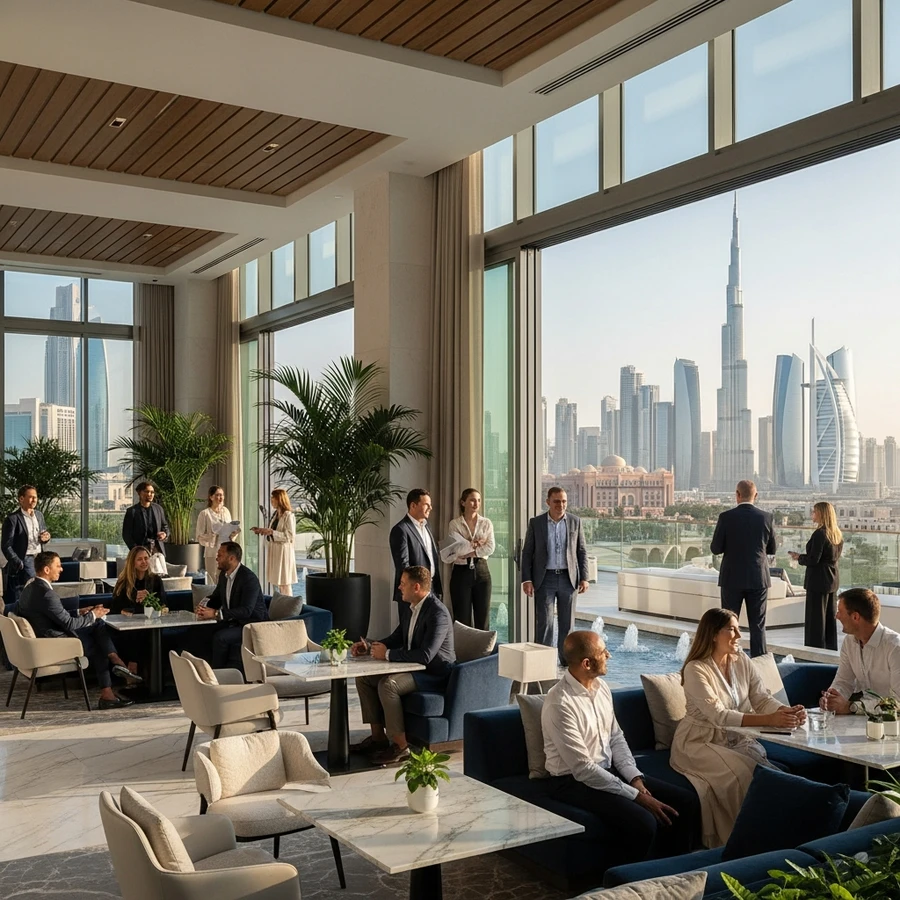
Rooftop venues: powerful for private dinners, launches, and evening receptions
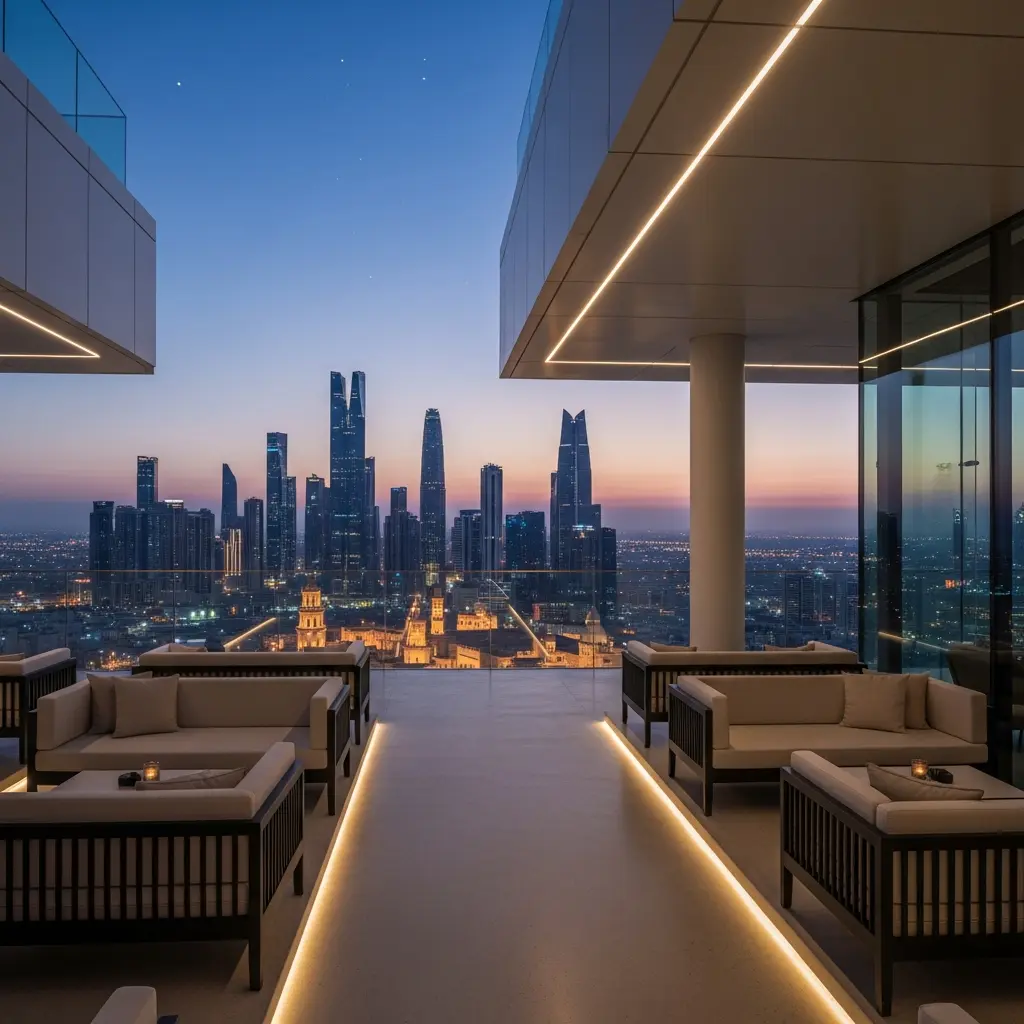
Rooftop venues Saudi Arabia can create immediate visual impact, especially in major urban centers such as Riyadh and Jeddah. They are often associated with exclusivity, skyline views, and a more contemporary hospitality style.
Best use cases for rooftop venues
Rooftops are best suited for:
Cocktail receptions
VIP networking events
Smaller product launch reveals
Sunset executive dinner events
Client entertainment
Premium social formats
They are usually most effective when the event goal is relationship-building rather than large-scale conference programming.
Why brands choose them
The appeal is emotional and visual. Rooftops naturally create a sense of occasion, especially at sunset or after dark. They also support stronger guest arrival sequences, from private elevators to skyline reveal moments.
Practical considerations
Rooftops can be excellent venues, but they require careful technical and compliance planning. Important points include:
Capacity limits
Wind exposure
Weather seasonality
Noise restrictions and sound limits
Building access rules
Power availability
Lift timing for suppliers
Curfew for amplified audio or outdoor service
For brands planning a more designed experience, check whether the rooftop can support custom furniture, lighting truss, branded scenic pieces, or a lightweight set design package.
Waterfront venues: strong for hospitality, networking, and premium social formats
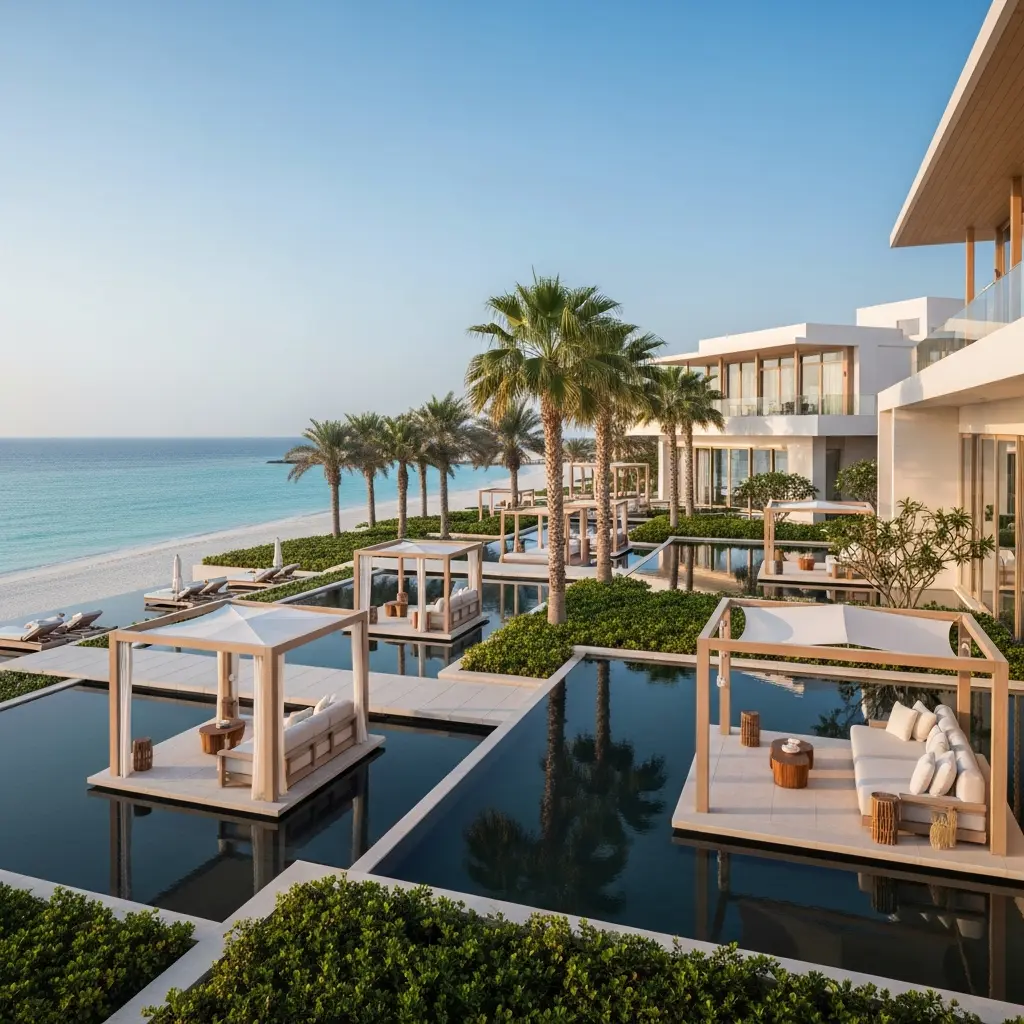
Waterfront venues Saudi Arabia are particularly attractive in Jeddah and other coastal settings, where sea views and open-air environments can make events feel more relaxed and premium at the same time.
Best use cases for waterfront venues
These venues are well matched to:
Client hospitality
Networking receptions
Executive dinners
Brand celebration events
Sunset launches
Seasonal gala evenings
Waterfront spaces can be especially compelling when the goal is to host guests in a setting that feels distinct from the office and more experiential than a business hotel.
Why brands choose them
For local and international audiences alike, coastal venues create atmosphere with relatively little effort. They photograph well, encourage mingling, and can make social events feel more fluid and inviting.
Practical considerations
Waterfront venues often require more attention to logistics than expected. Review:
Guest access and drop-off flow
Parking and shuttle needs
Humidity and weather effect on AV
Backup plans for outdoor setups
Municipality approvals for outdoor events
Catering storage and service routes
Sound spill and local sound limits
Strong wayfinding is essential in larger waterfront developments where guests may otherwise struggle to find the exact entry point.
If Jeddah is part of your search, you can explore more options through Flaash's Saudi Arabia Jeddah page.
Desert and destination venues: immersive formats with high emotional impact
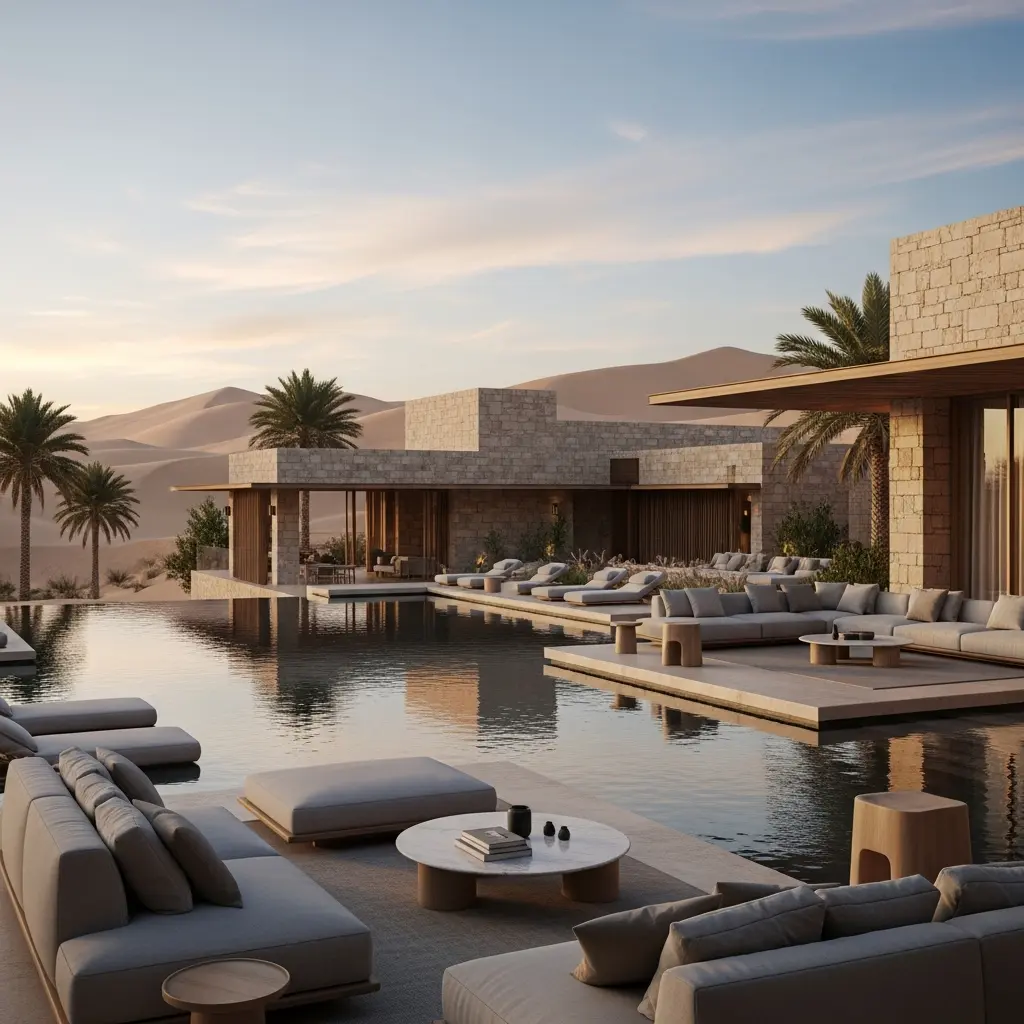
For companies seeking deeper engagement, destination venues Saudi Arabia corporate planners use are increasingly attractive. These include desert camps, remote luxury retreats, heritage landscapes, and purpose-built hospitality destinations outside the main city core.
Best use cases for destination venues
Destination settings are particularly effective for:
Leadership retreats
Multi-day workshops
Incentive trips
Board offsites
Strategy sessions
High-end client experiences
Brand immersion programs
These venues work because they remove attendees from their routine. That creates stronger attention, better informal interaction, and more memorable shared experiences.
Why brands choose them
A destination format can deliver far more than aesthetics. It can improve focus, increase time-on-site, and make it easier to build a full narrative journey from arrival to departure. For brands investing in relationship-building or transformation messaging, that immersive environment matters.
Practical considerations
These are often the most complex venues to execute. Expect to plan for:
Guest transport
Rooming if overnight
Connectivity and technical infrastructure
Backup power
Medical and safety plans
Catering production
Staffing accommodation
Long setup timelines
Full or partial exclusive buyout
Destination venues can also be better for confidential discussions because privacy controls are generally easier to enforce than in mixed-use urban venues.
Contemporary architectural spaces: minimal, modern, and brand-forward
Saudi Arabia's newer commercial and mixed-use districts have introduced a growing supply of contemporary architectural venues that are neither classic hotels nor cultural institutions. These are some of the most relevant non hotel corporate venues Saudi Arabia now offers for modern brand events.
Best use cases for contemporary spaces
These venues are a strong fit for:
Product showcases
Innovation events
Investor presentations
Executive forums
Awards receptions
Workshops and seminars
Premium networking events
Why brands choose them
The main benefit is flexibility combined with visual sharpness. Clean lines, modern finishes, and high-spec infrastructure make these spaces easier to brand than heritage or museum sites. For companies with strong visual guidelines, they provide a controlled canvas.
Practical considerations
Before confirming, review:
Rigging and lighting capacity
Built-in AV quality
Branding permissions
Loading access
Security procedures
Parking capacity
Whether the venue can be fully privatized
Some contemporary venues sit in active commercial developments, so privacy controls and public interface management should be reviewed early.
Choosing between Riyadh, Jeddah, and destination settings
Venue type is only part of the decision. City choice also affects attendance, guest profile, tone, and budget.
Riyadh
Riyadh is usually the strongest option for:
Government-facing events
Financial and professional services gatherings
Technology launches
Formal corporate events
Senior stakeholder meetings
It offers a broad mix of modern, cultural, and premium urban venues. If you are sourcing in the capital, these unique venues in Riyadh are worth reviewing.
Jeddah
Jeddah often works better for:
Creative brand events
Coastal hospitality formats
More relaxed networking
International guest experiences
Lifestyle-oriented launches
Its waterfront identity and more informal rhythm can support strong engagement, especially for evening events.
Destination settings
Destination venues are best when:
You want full audience attention
The event is multi-day
Relationship depth matters more than pure convenience
Confidentiality is important
You want a stronger emotional experience
If you are weighing city strategy first, this comparison of Riyadh vs Jeddah for corporate events can help narrow the right starting point.
Key planning checks before booking an iconic venue in KSA
Before confirming any of these venue types, validate the following:
Are permits required, and who secures them?
What are the exact sound limits and event hour rules?
Is there a hard curfew?
Are there any photography restrictions?
Can you use third-party catering, or only approved suppliers?
Is an exclusive buyout required for privacy?
What are the guest access and parking conditions?
Can the space support your desired set design?
What are the branding and signage rules?
Are privacy controls sufficient for your audience and content?
These checks are especially important for non-hotel spaces, where operational support is often lighter and responsibilities are more shared.
Final thought: the venue should support the brand, not distract from it
The growth of iconic venue types in Saudi Arabia for corporate events gives brands far more options than the standard ballroom model. From heritage settings and museums to rooftops, waterfront spaces, desert retreats, and contemporary architectural venues, the market now supports a wide range of event objectives.
The best choice depends on what the event needs to achieve. A product launch may need visual clarity and media value. An executive dinner may need privacy and cultural depth. An award ceremony may need scale, flow, and a stronger gala atmosphere. The venue should make that objective easier to deliver.
If you are planning a corporate event in the Kingdom and want a faster way to identify the right fit, Flaash can help. Through Flaash Saudi Arabia, companies can submit a brief and receive 3 to 5 tailored venue proposals within 24 to 48 hours. It is free for users and designed to save time when sourcing the right venue across Riyadh, Jeddah, and destination locations in Saudi Arabia.
FAQ: iconic venue types in Saudi Arabia for corporate events
What are the most iconic venue types in Saudi Arabia for corporate events?
The most iconic venue types for corporate events in Saudi Arabia include heritage venues, museum and exhibition spaces, cultural districts, rooftop venues, waterfront settings, desert destinations, and contemporary architectural spaces. These formats help brands create stronger storytelling, more memorable guest experiences, and a setting that feels more distinctive than a standard hotel ballroom.
Which iconic venue type is best for large-scale corporate conferences in Saudi Arabia?
Purpose-built convention and exhibition centers are usually the best fit for large-scale corporate conferences in Saudi Arabia. They offer higher capacities, stronger AV infrastructure, multiple breakout spaces, and operational support suited to plenary sessions, expos, and multi-track programs.
What unconventional or experiential iconic venues are available for corporate events in Saudi Arabia?
Experiential options include desert camps, destination retreats, heritage compounds, arts districts, and coastal venues. These iconic settings work well for product launches, executive offsites, immersive brand activations, and client experiences because they create a stronger sense of place and engagement.
Which outdoor iconic venue types in Saudi Arabia work best for corporate events and when is the best season?
Outdoor venue types such as rooftops, waterfront spaces, desert settings, and open-air cultural courtyards can work very well for corporate events in Saudi Arabia. The most comfortable season is generally from October to March, when temperatures are milder and outdoor guest experience is easier to manage.
How should event planners choose the right iconic venue type in Saudi Arabia for a corporate event?
Start by aligning the venue type with the event objective, guest profile, capacity, technical needs, budget, and desired brand atmosphere. Then review practical points such as permits, privacy, sound limits, catering rules, accessibility, and whether the venue supports the level of branding or set design you need.
What iconic venue types are trending for corporate events in Riyadh and Jeddah?
In Riyadh, contemporary venues, rooftop spaces, and premium cultural settings are popular for formal and brand-led events. In Jeddah, waterfront venues, creative spaces, and more relaxed hospitality formats are increasingly in demand. Both cities are seeing stronger interest in non-hotel venues that offer visual impact and flexible guest experiences.
Recent Posts
Load More Blogs