
-
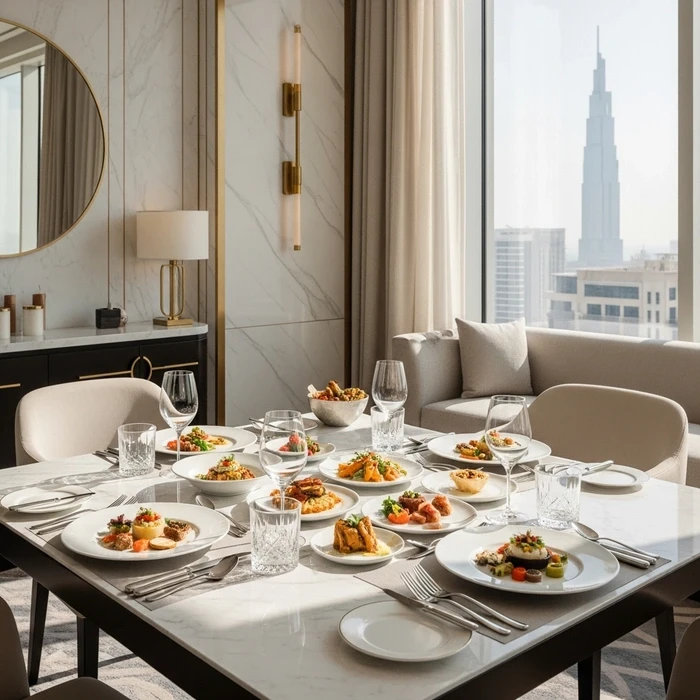
A single overlooked dietary restriction can derail a six-figure product launch dinner. In the UAE's corporate landscape, where a boardroom table might seat guests from 15 nationalities, corporate event menu planning UAE is not a catering task. It is a strategic operation. Get the menu wrong, and you risk offending a key stakeholder, triggering an allergic reaction, or delivering a forgettable experience that undermines your event's ROI.
This guide breaks down how seasoned event professionals approach menu planning for seminars, galas, board meetings, and product launches across Dubai, Abu Dhabi, and the wider Gulf region. Every recommendation is grounded in the logistical realities of operating in this market.
Why Does Corporate Event Menu Planning in the UAE Demand a Specialized Approach?
The UAE hosts one of the world's most culturally diverse corporate populations, meaning every menu must simultaneously satisfy Halal compliance, multi-cultural dietary norms, and international guest expectations without compromise.
The Cultural Complexity Factor
The UAE workforce draws from over 200 nationalities. A typical corporate gala at a venue along Sheikh Zayed Road in Dubai might include Emirati hosts, South Asian middle management, European C-suite guests, and East Asian investors. Each group carries distinct cultural preferences, religious requirements, and flavor expectations. A single-track Western menu signals cultural illiteracy. A disorganized buffet signals operational weakness.
Regulatory and Reputational Stakes
Ingredient transparency is not optional. Dubai Municipality enforces strict food safety and labeling standards for commercial catering operations. Non-compliance does not just create legal exposure. It damages corporate reputation in a market where trust is currency.
Why This Goes Beyond a Catering Decision
In the UAE, menu planning sits at the intersection of compliance, hospitality culture, and brand positioning. The menu your guests experience at the Ritz-Carlton DIFC boardroom dinner or a seminar at Jumeirah Emirates Towers communicates as much about your organization as your keynote speaker does.
How Do You Map Guest Demographics Before Building a Corporate Menu?
Start with a detailed attendee profile covering nationality mix, religious observances, medical dietary needs, and seniority level. This data directly dictates menu architecture, service style, and portion strategy.
Collect the Data Early
Send a structured dietary requirements corporate events form during registration. Do not ask "any dietary needs?" as a free-text field. Provide specific checkboxes: Halal, vegetarian, vegan, gluten-free, nut-free, lactose-free, Jain, kosher. This reduces ambiguity and gives your caterer actionable data.
Segment by Seniority and Occasion
Guest demographics shape more than ingredients. A board meeting for 12 at the St. Regis Abu Dhabi calls for plated fine dining with personalized dietary accommodations. A 300-person product launch at DWTC demands high-throughput stations with clear labeling icons for every dish.
Profile the Nationality Mix
If your attendee list skews South Asian, ensure robust vegetarian options and familiar spice profiles. A predominantly Western European audience expects lighter fare and high-quality coffee service. Gulf-based guests expect generous hospitality, Arabic coffee, dates, and premium presentation. Spice tolerance varies dramatically. Assuming a universal palate is a common failure point.
Flaash Expert Insight: For multi-national corporate events in the UAE, plan for a minimum of 30% of your total menu as vegetarian or plant-based, regardless of confirmed dietary responses. Unregistered dietary needs account for a significant portion of on-site requests.
What Does a Halal Corporate Catering Menu Actually Require?
A Halal corporate catering menu requires all meat sourced from certified Halal suppliers, zero alcohol in cooking processes, and enforced cross-contamination protocols from kitchen preparation through to the final service point.
Beyond the Certification Sticker
Halal corporate catering menu compliance is non-negotiable for any event in the UAE. But compliance goes beyond sourcing certified meat. It includes ensuring no alcohol-based sauces (common in French cuisine), no gelatin from non-Halal sources in desserts, and strict separation of preparation surfaces.
Verify Your Caterer's Supply Chain
Ask your catering partner for Halal certification documentation. Reputable hotel venues in the UAE, such as Four Seasons DIFC, Address Downtown, and Conrad Abu Dhabi Etihad Towers, maintain rigorous Halal supply chains. Independent caterers require direct verification before contracting.
Communicate Compliance Visibly
For high-profile galas and seminars at restaurants across the UAE, display Halal certification signage at food stations. This is not excessive. It is expected. Gulf-based corporate guests and government stakeholders actively look for visible assurance.
How Should You Accommodate Vegetarian, Vegan, and Allergen-Free Requirements?
Treat vegetarian, vegan, and allergen-free catering as primary menu tracks, not afterthoughts, by designing dedicated dishes with full flavor integrity, clear labeling, and separate preparation workflows.
Elevate Plant-Based Options
Vegetarian vegan corporate catering has moved far beyond a token garden salad. For a corporate gala at Atlantis The Royal or a networking event at Address Sky View, expect plant-based dishes that match the quality and presentation of protein-centric plates. Think roasted cauliflower steak with tahini and pomegranate, not a reheated vegetable lasagna.
Allergen Management Is a Safety Protocol
Allergen friendly catering demands process, not just awareness. The top allergens, including nuts, gluten, dairy, shellfish, and soy, must be flagged on every dish. Gluten free catering UAE options have improved significantly, but cross-contamination remains a risk at buffet formats. Designate separate serving utensils and station signage for nut-free and lactose-free items.
The Labeling System That Works
Use a standardized icon system on all menu cards and station displays. Color-coded icons for Halal, vegan, gluten-free, and nut-free allow guests to self-select with confidence. This reduces service bottlenecks and protects your organization from liability.
Flaash Expert Insight: Always prepare 10-15% additional allergen-free portions beyond confirmed counts. Last-minute attendee changes and unregistered requirements are the norm at UAE corporate events, not the exception.
What Is the Best Service Format: Plated, Buffet, or Live Stations?
The optimal format depends on event type, guest count, and strategic intent. Plated service suits executive dinners, buffets serve large seminars efficiently, and live stations maximize engagement at product launches and networking events.
Plated Service for Control and Prestige
Plated vs buffet is not a preference question. It is a strategic one. For board meetings, awards dinners, or intimate galas under 60 guests, plated service communicates formality and precision. It also gives you full control over portion sizes and dietary customization. Venues like the Bulgari Hotel Dubai or Rosewood Abu Dhabi excel at this format.
Buffet for Scale and Variety
For seminars and conferences exceeding 100 guests, a well-designed buffet is operationally efficient. However, it requires careful flow design to prevent congestion. Separate stations by cuisine type: Arabic, Asian, Continental. This approach respects the multi-cultural event menu reality of UAE corporate gatherings.
Live Stations as Engagement Tools
Live stations are particularly effective at networking events and product launches. A sushi counter, a shawarma station, or a made-to-order pasta bar creates conversation points and keeps guests circulating. Explore award dinner and networking venues across the UAE that offer built-in live cooking capabilities.
Beverage Strategy
Never underestimate the coffee and tea service. Arabic coffee with dates is a hospitality baseline for any event with Gulf-based attendees. For international guests, premium espresso-based options are expected. Mocktails have replaced alcohol as the creative beverage category at UAE corporate functions. Invest in a bespoke mocktail menu that aligns with your event theme.








How Do You Plan Corporate Catering During Ramadan and Peak Seasons?
Ramadan corporate catering requires shifting event meals to post-sunset Iftar or pre-dawn Suhoor formats, adjusting menu composition for breaking-fast traditions, and respecting fasting colleagues throughout every daytime session.
Ramadan Demands a Different Operational Framework
Ramadan corporate catering is not simply about moving dinner to after sunset. The Iftar meal follows a specific cultural sequence: dates and water first, then soup, followed by main courses. Serving a Western-style three-course meal at Iftar signals cultural unfamiliarity. Work with your venue, whether it is Madinat Jumeirah or the Shangri-La Abu Dhabi, to design an authentic Iftar flow.
Daytime Event Adjustments
During Ramadan, daytime seminars and conferences must not serve food in public areas where fasting colleagues are present. This is both a legal requirement and a matter of respect. The National Emergency Crisis and Disasters Management Authority and local authorities publish annual conduct guidelines covering the Holy Month.
Seasonality and Summer Considerations
Seasonality impacts ingredient availability and guest appetite. During the UAE's summer months from June to September, lighter menus with hydration-focused options perform better. Cold soups, fruit-forward desserts, and infused water stations outperform heavy protein-dense spreads. Office lunch catering menu selections for summer seminars should prioritize freshness and digestibility above all else.
Flaash Expert Insight: Book Iftar corporate events at premium venues a minimum of three months in advance. Ramadan is the single highest-demand period for corporate dining in the UAE and KSA, and top venues consistently sell out.
What Details Do Most Corporate Event Planners Overlook in Menu Execution?
The most frequently overlooked details are sustainability commitments, timing synchronization between kitchen and event program, post-event feedback collection, and the underestimated impact of beverage pacing on guest satisfaction.
Sustainability Is Now a Procurement Criterion
Sustainability in corporate catering has shifted from a nice-to-have to a procurement filter. Major UAE-based multinationals now require caterers to demonstrate food waste reduction protocols, locally sourced ingredients, and minimal single-use plastics. If your event supports an ESG initiative, the menu must reflect that commitment at every touchpoint.
Timing Is Everything
A beautifully designed menu fails if it arrives mid-keynote or forces a 45-minute gap in programming. Synchronize your menu service timeline with the event program down to 10-minute intervals. Brief the catering manager on your full run-of-show, not just your head count.
The Follow-Up Most Teams Skip
Collect dietary satisfaction data post-event. A two-question survey asking whether dietary requirements were met and rating food quality gives you actionable intelligence. This is how you build institutional knowledge around restaurant and venue selection across Abu Dhabi and Dubai for future events.
Kids Options at Executive Events
Some high-level galas and executive retreats include family programming segments. If kids options are required, design a separate micro-menu rather than defaulting to generic items. This reflects the same operational rigor applied to the primary menu and signals thoroughness to senior attendees.
Your menu is not a line item on a budget spreadsheet. It is the single most tangible expression of how your organization treats its guests. In the UAE's corporate environment, where hospitality is a professional language, the menu you serve is the reputation you build. Plan it with the same strategic discipline you bring to every other element of your event. That is how you turn a meal into a competitive advantage.
FAQ: corporate event menu planning UAE
How do you plan a menu for a corporate event in the UAE?
Start by confirming the guest count, budget, and any dietary or cultural requirements. Choose a menu format such as a buffet, sit-down dinner, or canapé reception. Most UAE venues offer in-house catering teams that can customize menus to suit your corporate event theme.
What are the most popular menu options for corporate events in the UAE?
Buffet-style catering is the most popular option for corporate events in the UAE. It allows diverse food choices that accommodate different tastes and dietary needs. Plated meals are preferred for formal dinners, while canapé and cocktail menus work well for networking events and product launches.
How much does corporate event catering cost in the UAE?
Corporate event catering in the UAE typically ranges from AED 150 to AED 500 per person. The cost depends on the venue, menu style, and level of service. Premium hotels in Dubai and Abu Dhabi may charge more for bespoke menus and dedicated event coordination.
What dietary requirements should you consider when planning a corporate menu in the UAE?
All food served at corporate events in the UAE must be halal. Beyond this, planners should account for vegetarian, vegan, gluten-free, and allergy-specific needs. Sending a dietary preference form to attendees in advance helps ensure every guest is comfortably catered for.
Should you choose a buffet or a sit-down meal for a corporate event?
A buffet suits large-scale corporate gatherings such as conferences and networking events, offering flexibility and variety. A sit-down meal is better for formal occasions like gala dinners or executive meetings where structured service and a refined atmosphere are priorities.
How far in advance should you book catering for a corporate event in the UAE?
You should book catering at least four to six weeks before your corporate event. During peak season, from October to March, booking two to three months ahead is recommended. Platforms like Flaash can help you compare venues and catering packages across the UAE efficiently.


Recent Posts

Load More Blogs