
-
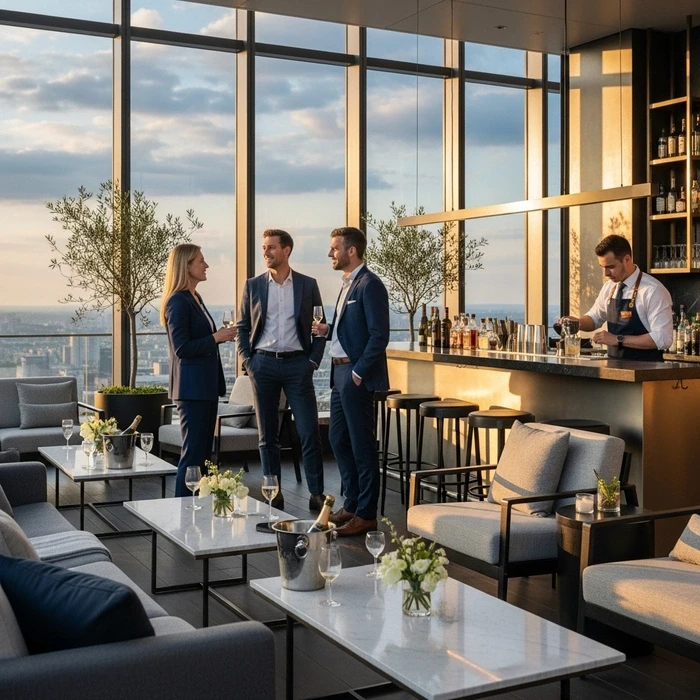
How to Build a Client Appreciation Event Agenda That Works
Your venue is booked. The guest list is finalized. But the agenda? That is where most client appreciation events quietly fail.
A poorly structured client appreciation event agenda turns a high-budget evening into a forgettable experience. Guests check their phones during long speeches. The networking window lands when people are eating. The MC rushes the closing because the program ran 40 minutes over.
In the Middle East—across Dubai, Riyadh, and Doha—we see this pattern repeat at some of the region's best hotels. The investment in venue and catering is world-class. The run-of-show is an afterthought.
This guide breaks down the exact framework we use to design client event programs that hold attention, create meaningful connection, and deliver measurable ROI. Every section is built on what actually works in GCC corporate events, not generic playbook theory.
What Makes a Client Appreciation Event Agenda Different from Standard Corporate Events?
A client appreciation event agenda prioritizes relationship depth over information transfer. Unlike conferences or product launches, the goal is emotional reinforcement of the business relationship. Every agenda block—from welcome remarks to the closing moment—must be engineered to make the client feel valued, not lectured.
The Strategic Shift: Information vs. Connection
Standard corporate events aim to educate or sell. Client appreciation events aim to retain and deepen. This distinction changes everything about your client event run of show.
A product launch might allocate 60% of the agenda to stage time. A VIP client event agenda should allocate no more than 25% to formal presentations. The remaining time belongs to curated networking, experience-driven activity stations, and unstructured conversation.
Why Most Agendas Fail in the GCC
In markets like Dubai and Riyadh, guest expectations are elevated. Attendees at a client appreciation dinner at the Address Sky View or The Ritz-Carlton DIFC expect a seamless flow. They notice when timing feels off. They notice when the program is bloated.
The most common failure? Overprogramming. Event planners fill every minute, fearing dead air. But in client appreciation, breathing room is a feature—not a flaw.
How Should You Structure the Run-of-Show for a Client Event?
The most effective client event run of show follows a three-act structure: Arrival and Connection (30%), Core Experience (40%), and Gratitude and Close (30%). This ratio keeps energy balanced and avoids the late-event fatigue that derails most corporate appreciation event agenda formats.
Act One: Arrival and Connection (First 30%)
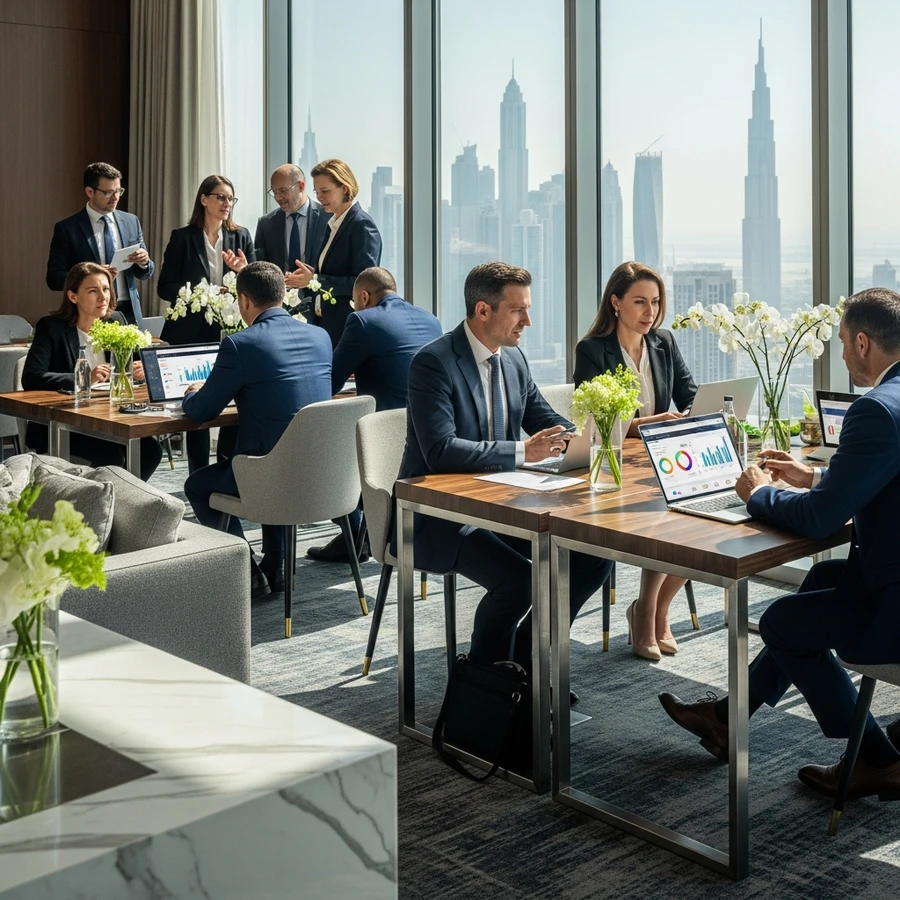
This phase covers the arrival experience, check-in flow, and opening networking design. Your guests should never walk into a silent room. Pre-set ambient audio, a dedicated welcome host, and a signature beverage station create immediate warmth.
At properties like the Mandarin Oriental Jumeira or the Four Seasons Riyadh, we position a soft networking zone near the entrance. No formal seating yet. Light icebreakers—a curated conversation card at each cocktail table—lower the social barrier for guests who may not know each other.
Act Two: Core Experience (Middle 40%)
This is your formal program. Welcome remarks from a senior leader should stay under four minutes. A short speaker program for client event context—perhaps an industry insight or a keynote from a relevant figure. Then a shared experience: a live performance, a chef's table demonstration, or an interactive activity station.
The key principle here is timeboxing. Every segment gets a hard stop. No exceptions. If you are searching for agenda ideas for client appreciation event planning, start with this three-act framework before layering in specifics.
Act Three: Gratitude and Close (Final 30%)
The closing moment is not an afterthought. This is where you land the emotional impact. A personalized gift, a brief video tribute to the partnership, or a handwritten note from your CEO. Then open the floor for organic conversation as guests depart on their own timeline.
Flaash Expert Insight: In Doha and Riyadh, the closing phase often extends naturally. Budget an extra 20-30 minutes of venue hold time for post-program mingling—cutting it short signals disrespect in GCC business culture.
What Is the Ideal Content-to-Networking Ratio for Client Appreciation Events?
The optimal content-to-networking ratio for a client appreciation event is 30:70. Thirty percent structured content—speeches, presentations, entertainment. Seventy percent curated and organic networking. This ratio consistently outperforms content-heavy programs in post-event satisfaction surveys across UAE and KSA client events.
Why 30:70 Works
Your clients did not attend to sit through presentations. They came to feel appreciated and to build relationships—with your leadership team and with each other. A networking agenda for client event success means designing the space and schedule so that conversations happen naturally.
This does not mean unstructured chaos. It means intentional design. Strategic seating arrangements. Facilitated introductions by your MC. Timed transitions that move people between zones.
How to Audit Your Current Agenda
Map your existing client appreciation event program minute by minute. Tag each block as "Content" or "Networking." If content exceeds 40%, start cutting. The first things to trim: lengthy welcome speeches, multi-speaker panels, and any segment that exists because "we always do it."
Tracking these ratios ties directly into how you measure corporate event ROI. If post-event feedback consistently flags "too many speeches," your ratio is off.
How Do You Design an Arrival Experience That Sets the Tone?
The arrival experience determines guest perception within the first 90 seconds. A frictionless check-in flow, immediate hospitality cues, and a sensory-rich environment signal that this event was designed with intention—and that the client's time is valued.
Check-In Flow Best Practices
Eliminate queues. In the Middle East corporate context, a VIP guest should never wait in line. Use tablet-based pre-registration, a dedicated greeter who knows the guest by name, and a bypass lane for C-suite attendees.
At venues like the W Dubai – The Palm or the Shangri-La Jeddah, the lobby-to-event transition matters. Station a team member at the elevator or corridor to guide guests. Wayfinding should be invisible—no one should need to ask where to go.
Audio-Visual Cues at Entry
The first audio-visual cues a guest encounters set the emotional register. A curated playlist at the right volume. Branded lighting that is elegant, not aggressive. A digital welcome screen with the guest's company logo rotating alongside yours.
These details cost very little but signal enormous care. They also create organic social media moments—guests photograph environments that feel premium.
Dietary Service Timing During Arrival
Serve substantial passed canapés within the first 10 minutes. Many guests arrive directly from the office. Hunger creates impatience. Dietary service timing during the arrival phase should account for common GCC considerations: halal protocols, international dietary preferences, and premium non-alcoholic beverage options.
How Should You Balance Speaker Program and Entertainment?
Limit formal speaker time to 15 minutes total, and position entertainment as a shared experience—not a passive performance. This balance keeps energy high and avoids the guest fatigue that destroys the final third of most client appreciation events.
Speaker Program Rules
Your speaker program for a client appreciation event should follow three rules:
One speaker maximum. If your CEO and your regional VP both want stage time, choose one. The other can deliver remarks during a toast.
Four-minute cap per speaking slot. Rehearse and enforce it.
No product pitches. This is appreciation, not a sales meeting. The moment you pitch, you break trust.
Entertainment That Creates Connection
The best client event entertainment balance treats entertainment as a participation layer. A live jazz trio playing during dinner is atmospheric. A collaborative art installation where guests contribute to a shared canvas creates conversation and memory.
In Saudi Arabia, we have seen strong engagement with immersive cultural experiences—a live calligraphy artist creating personalized pieces for each guest, or a regional chef demonstrating a traditional dish tableside. These are not passive. They pull people in.
For sourcing premium dining venues and restaurants that support these experiential formats, the venue's F&B flexibility is a critical filter.
Flaash Expert Insight: Never schedule entertainment immediately after a meal service. The post-dinner energy dip is real. Insert a 10-minute networking break between dinner and any performance or activity to let guests reset.
What Timing Mistakes Cause Guest Fatigue at Client Events?
The three biggest timing mistakes are overlong speeches, back-to-back seated segments, and failing to build transition buffers into the run-of-show. Each one compounds the other, creating a cumulative fatigue effect that peaks in the event's final hour—exactly when your closing moment needs to land.
The Fatigue Timeline
Guest attention follows a predictable curve. Energy peaks during the first 45 minutes. It dips sharply after 90 minutes of seated activity. If your agenda stacks a keynote, dinner, and awards presentation consecutively, you will lose the room before the closing remarks.
How to Use Timeboxing Effectively
Timeboxing is the practice of assigning hard time limits to every agenda block—and enforcing them. Give your MC a visible countdown. Brief every speaker on their exact window. Build five-minute transition buffers between every major segment.
A well-timeboxed corporate appreciation event agenda feels effortless to the guest. Behind the scenes, it runs on military precision.
Movement as a Reset Tool
Physical movement resets attention. Design your floor plan so guests transition between zones: a cocktail area, a dining room, and a lounge space. Each move creates a psychological fresh start.
This is why awards dinners and networking venues with multi-zone layouts consistently outperform single-ballroom configurations for client appreciation programs.
Flaash Expert Insight: For events exceeding two hours, schedule a formal "reset moment" at the 90-minute mark—a venue reveal, a dessert station opening, or a surprise guest. This recaptures attention for the final act.










How Do You Close a Client Appreciation Event for Maximum Impact?
The closing moment should be the most emotionally resonant part of the agenda—brief, personal, and designed to be the memory guests carry home. A weak close erases the goodwill you spent the entire evening building.
The 3-Minute Close Framework
Your closing should take no longer than three minutes of formal stage time. Structure it as:
A single sentence of gratitude. Not a recap of company achievements.
A forward-looking statement. "We are building something together" is more powerful than "Thank you for your business."
A physical anchor. A gift, a signed letter, or a memento that guests take with them.
Post-Event Flow
Do not announce "the event is over." Instead, transition into an open lounge format. Soft music. Refreshed beverage stations. Let guests leave on their own terms. The best conversations often happen in this unstructured window.
Connecting the Agenda to Business Outcomes
A well-crafted client appreciation event agenda is not just an experience design exercise. It is a retention tool. Every block should be evaluated against one question: does this strengthen the client relationship?
Avoiding common client appreciation event mistakes starts with treating the agenda as a strategic document—not a logistics spreadsheet.
The difference between a forgettable evening and a relationship-defining event lives in the agenda. Not the venue. Not the catering. The structure of time itself.
If you are planning a client appreciation event in Dubai, Riyadh, or Doha, Flaash sources and manages the venues that make these agendas executable—from multi-zone hotel configurations to private dining formats built for connection.
Talk to our team. Build an agenda your clients will remember.
FAQ: client appreciation event agenda
What is a client appreciation event agenda?
A client appreciation event agenda is a structured timeline outlining activities designed to thank and engage valued corporate clients. It typically includes welcome remarks, networking sessions, entertainment, gift presentations, and closing speeches to strengthen business relationships and boost client retention.
What should a client appreciation event agenda include?
A well-planned agenda should include a welcome reception, a keynote or thank-you speech, interactive activities, dining, and a closing moment. Adding networking time and live entertainment keeps guests engaged while reinforcing your company's commitment to long-term client partnerships.
How long should a client appreciation event last?
Most corporate client appreciation events last between two and four hours. This timeframe allows enough room for welcome drinks, speeches, a main activity or dinner, and casual networking without overwhelming attendees or losing their attention throughout the evening.
How do you structure the timeline for a client appreciation event?
Start with a 30-minute welcome reception, followed by a brief thank-you address. Dedicate the core hour to dining or an interactive experience, then allow open networking time. Close with a short speech and parting gifts to leave a memorable impression.
What are creative agenda ideas for a corporate client appreciation event?
Popular ideas include themed dinners, rooftop networking receptions, live cooking stations, awards ceremonies, and curated cultural experiences. Platforms like Flaash help businesses across the Middle East discover unique venues that elevate these moments and create a lasting impact on attendees.
How do you keep guests engaged throughout a client appreciation event agenda?
Vary the format by alternating between structured moments and relaxed networking. Incorporate interactive elements such as live entertainment, short panel discussions, or experience stations. A dynamic agenda with smooth transitions ensures guests remain engaged from the welcome reception to the final farewell.
Recent Posts

Load More Blogs